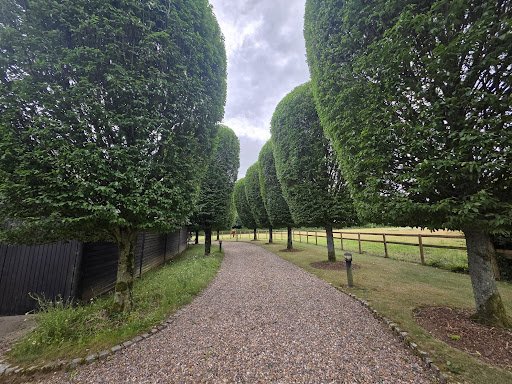
A well-maintained hedge can completely transform the look of your garden, adding privacy, structure, and kerb appeal. However, hedges don’t stay neat on their own. Without regular maintenance, they can quickly become overgrown, unhealthy, and even create safety hazards.
If you’re unsure whether it’s time to book a hedge cut, here are the key signs to look out for.
1. It’s Lost Its Shape
One of the first signs your hedge needs attention is when it no longer has a neat, defined shape. Branches begin sticking out in different directions, making your garden look untidy.
Regular trimming helps maintain a clean, professional appearance while encouraging healthy, dense growth.
2. It’s Blocking Light
Has your home or garden started feeling darker than usual? An overgrown hedge can block natural sunlight from reaching your windows, patio, lawn, or flower beds.
A professional trim can restore light to your outdoor space without compromising your privacy.
3. It Has Dead or Diseased Branches
Brown patches, dead stems, or diseased growth are all signs your hedge requires attention. Removing damaged material not only improves its appearance but also helps prevent disease from spreading throughout the plant.
Routine maintenance keeps your hedge healthier for years to come.
4. It’s Encroaching on Paths or Driveways
If your hedge is beginning to overhang footpaths, driveways, or neighbouring properties, it’s time for a cut.
Keeping hedges under control improves access, increases visibility, and reduces the risk of accidents.
5. Birds Have Finished Nesting
In the UK, hedge cutting should be carried out carefully to avoid disturbing nesting birds, which are protected by law.
Once the nesting season has ended and it’s safe to do so, it’s the perfect time to get your hedge back into shape.
6. New Growth Is Getting Out of Control
Healthy hedges grow quickly during spring and summer. If fresh shoots are extending several inches beyond the rest of the hedge, a trim will keep growth compact and encourage a fuller appearance.
Ignoring new growth for too long can make future maintenance more difficult and expensive.
7. You’re Constantly Sweeping Up Leaves and Twigs
An overgrown hedge often sheds more leaves, twigs, and small branches, leaving your garden looking messy and increasing the time spent cleaning up.
Regular maintenance helps minimise debris and keeps your outdoor space tidy.
How Often Should You Cut a Hedge?
The ideal frequency depends on the type of hedge, but as a general guide:
- Fast-growing hedges – 2 to 3 times per year.
- Evergreen hedges – 1 to 2 times per year.
- Formal hedges – Regular trimming throughout the growing season to maintain their shape.
- Flowering hedges – Trim after flowering to avoid removing next year’s blooms.
A professional tree surgeon or hedge specialist can advise on the best schedule for your specific hedge.
Why Professional Hedge Cutting Matters
Professional hedge cutting isn’t just about appearance. It also helps:
- Encourage healthy, thicker growth.
- Reduce the risk of disease.
- Improve safety around your property.
- Increase kerb appeal.
- Extend the lifespan of your hedge.
Using the correct equipment and trimming techniques ensures your hedge stays healthy without causing unnecessary damage.
Need Your Hedge Cut?
If your hedge is showing any of these signs, now is the ideal time to have it professionally maintained. At Tip Top Tree Services, we provide expert hedge cutting and maintenance for domestic and commercial properties, leaving your garden looking neat, healthy, and well cared for.
Get in touch today for a free, no-obligation quote and let our experienced team keep your hedges in top condition.
📞 Call us for a free tree assessment: 07392001837
🌐 Visit our website: https://tiptoptreeandgroundcare.co.uk
📍 Our location
Let us help you maintain a landscape that’s as safe as it is stunning!