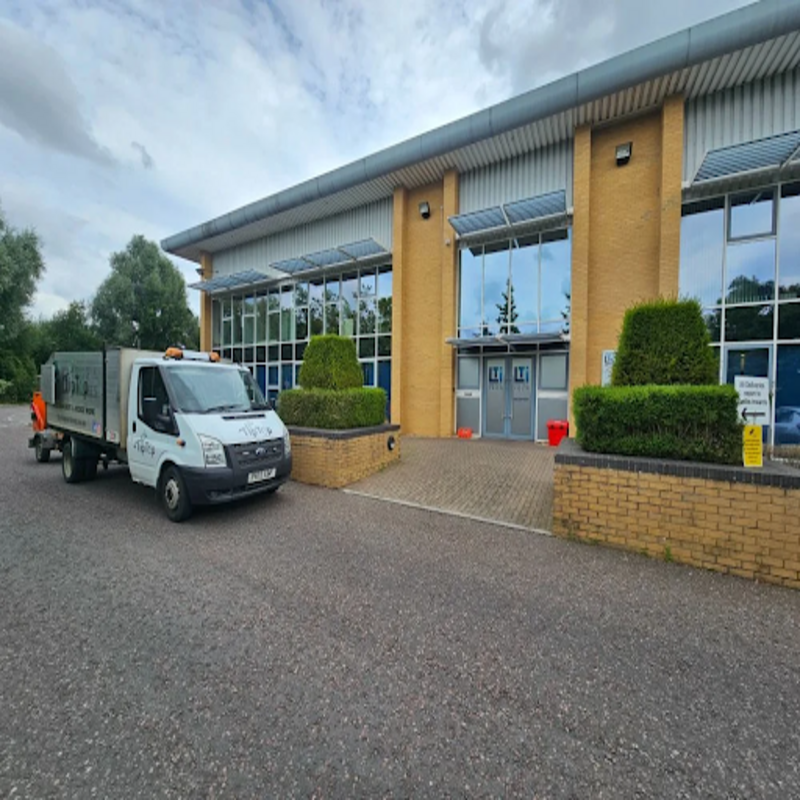
Why Is Regular Commercial Grounds Maintenance Important?
The condition of your outdoor space says a lot about your business. Whether you manage an office building, industrial estate, business park, school or commercial premises, well-maintained grounds help create a positive first impression.
Overgrown grass, untidy hedges, weeds, fallen branches and neglected outdoor areas can quickly make a property look unprofessional. More importantly, a lack of routine maintenance can create avoidable problems, including obstructed pathways, restricted visibility, blocked drainage and potentially hazardous outdoor areas.
Regular commercial grounds maintenance helps businesses:
- Maintain a professional appearance for customers, visitors and employees.
- Keep lawns, hedges, shrubs and planted areas under control.
- Reduce the risk of trip hazards and overgrown vegetation obstructing access.
- Prevent minor maintenance issues from becoming larger, more expensive jobs.
- Protect the condition and appearance of outdoor spaces.
- Maintain attractive, welcoming and accessible commercial environments.
A planned grounds maintenance programme also makes it easier for property managers and facilities managers to budget for ongoing outdoor maintenance rather than relying on expensive one-off clearances.
How Often Should Commercial Grounds Maintenance Be Carried Out?
There is no single maintenance schedule that suits every commercial property. The ideal frequency depends on the size of the grounds, the type of vegetation, how frequently the site is used and the standard of presentation expected.
As a general guide, many commercial properties benefit from weekly or fortnightly maintenance during the main growing season, with visits reduced during the colder months when grass and vegetation grow more slowly.
Here is a breakdown of how often different commercial sites may need attention.
Weekly Grounds Maintenance
Weekly visits are often beneficial for busy commercial premises where maintaining a consistently tidy appearance is important.
This can include:
- Retail parks and shopping centres.
- Office buildings with landscaped entrances.
- Hotels and hospitality premises.
- Business premises with high customer footfall.
- Commercial sites with large lawn areas.
Weekly maintenance can involve grass cutting, edging, litter removal, weed control and general site tidying. Keeping on top of these tasks prevents outdoor spaces from becoming untidy between visits.
Fortnightly Grounds Maintenance
Fortnightly maintenance is often suitable for smaller commercial properties, office grounds and business parks that require regular attention without needing weekly visits.
A typical fortnightly maintenance programme might include:
- Grass cutting and lawn edging.
- General weed control.
- Shrub and border maintenance.
- Clearing smaller areas of unwanted vegetation.
- Checking hedges and boundaries.
- Removing general garden and green waste.
This frequency can provide a good balance between keeping grounds presentable and managing maintenance costs.
Monthly and Seasonal Grounds Maintenance
Some commercial properties, particularly those with larger outdoor areas or less frequently used grounds, may only require monthly visits alongside specific seasonal work.
However, monthly visits may not be sufficient during periods of rapid grass and weed growth.
Seasonal maintenance is particularly important for keeping larger sites under control. This may include extensive hedge cutting, tree maintenance, leaf clearance, vegetation management and site clearance.
The important thing is to establish a schedule that reflects the actual requirements of the property rather than applying the same routine to every site.
A Seasonal Commercial Grounds Maintenance Schedule
Grounds maintenance requirements change throughout the year. A well-planned maintenance programme should take account of seasonal growth, weather conditions and the different jobs that need completing at particular times.
Spring – Preparing Commercial Grounds for Growth
Spring is one of the busiest periods for commercial grounds maintenance. As temperatures increase, grass, weeds, shrubs and other vegetation begin growing more quickly.
Recommended spring maintenance includes:
- First seasonal grass cuts and lawn edging.
- Removing winter debris and unwanted vegetation.
- Weeding flower beds and landscaped areas.
- Trimming shrubs where appropriate.
- Checking trees and hedges for winter damage.
- Preparing outdoor spaces for increased use.
Getting on top of maintenance early in spring helps prevent grounds from becoming overgrown as the growing season progresses.
Summer – Keeping Outdoor Areas Under Control
Summer is usually when commercial grounds require the most consistent attention.
Grass can grow quickly, weeds can spread and hedges and shrubs may need additional attention. Businesses with customer-facing outdoor spaces should pay particular attention to presentation during this period.
Recommended summer maintenance includes:
- Regular grass cutting and edging.
- Weed management.
- Maintaining hedges and shrubs.
- Keeping entrances, pathways and boundaries clear.
- Managing unwanted vegetation around fences and buildings.
- Monitoring trees and branches that may affect access.
It is also important to consider wildlife when planning hedge maintenance. Active wild bird nests are legally protected, so checks should be carried out before hedge cutting, with work around active nests avoided.
Autumn – Leaf Clearance and Preparing for Winter
Autumn brings falling leaves, changing weather and additional maintenance requirements.
Leaves can accumulate on pathways, entrances, car parks and other hard surfaces. When wet, they can become slippery and create potential hazards for pedestrians.
Autumn grounds maintenance should include:
- Regular leaf clearance.
- Clearing vegetation around pathways and access points.
- Removing fallen branches and debris.
- Checking drainage areas for leaf build-up.
- Seasonal hedge and shrub maintenance where appropriate.
- Preparing outdoor areas for colder weather.
Winter – Maintaining Safe and Tidy Commercial Sites
Although grass growth slows during winter, commercial grounds still require attention.
Winter is often a suitable time for certain tree surgery, pruning and clearance work, depending on the species, site conditions and any applicable wildlife or tree protection restrictions.
Recommended winter maintenance includes:
- Removing fallen branches and storm debris.
- Managing damaged or hazardous trees.
- Cutting back suitable overgrown vegetation.
- Maintaining boundaries and access routes.
- Carrying out planned tree surgery.
- General site inspections and winter tidy-ups.
Maintaining a schedule throughout winter helps prevent outdoor areas from becoming neglected before spring arrives.
What Types of Commercial Properties Need Regular Grounds Maintenance?
Different commercial environments have different maintenance requirements. A tailored approach ensures that each property receives the right level of care.
Office Buildings and Business Parks
Office grounds should be kept tidy and professional, particularly around entrances, car parks, pathways and communal outdoor spaces. Regular grass cutting, hedge trimming and vegetation management help maintain a welcoming working environment.
Industrial Estates and Warehouses
Industrial properties often have larger external areas, including grass verges, perimeter hedges, access roads and boundary vegetation. Regular maintenance helps prevent overgrowth from obstructing access, signage and visibility.
Schools and Educational Premises
School grounds require careful maintenance to keep outdoor spaces tidy and accessible for pupils, staff and visitors. Grass cutting, hedge maintenance, tree care and seasonal clearance can all form part of an ongoing maintenance programme. Work should be planned around school activities wherever possible.
Residential Developments and Managed Properties
Communal gardens, shared green spaces and landscaped entrances all contribute to the appearance of residential developments. Regular grounds maintenance helps property managers maintain these areas to a consistent standard for residents and visitors.
What Should a Commercial Grounds Maintenance Programme Include?
A professional commercial grounds maintenance programme should cover more than simply cutting the grass. It should consider every outdoor area of a property and identify the work required to keep it looking presentable, accessible and well maintained.
Depending on the site, services may include:
- Grass cutting and lawn maintenance: Keeping lawns, verges and green spaces neat and manageable.
- Commercial hedge trimming: Maintaining boundaries, controlling overgrowth and improving the appearance of outdoor areas.
- Tree surgery and maintenance: Managing trees through appropriate pruning, crown reduction, deadwood removal and other specialist arboricultural work.
- Weed and vegetation management: Preventing unwanted growth from spreading across paths, borders and commercial outdoor spaces.
- Site clearance: Removing unwanted vegetation, overgrown areas, fallen branches and accumulated green waste.
- Shrub and border maintenance: Keeping planted areas tidy and preventing vegetation from becoming overgrown.
- Leaf and seasonal clearance: Removing leaves and debris from entrances, pathways and other frequently used areas.
Having several maintenance requirements managed through one coordinated programme can make it easier for commercial property owners and facilities managers to maintain their sites throughout the year.
What Are the Risks of Neglecting Commercial Grounds Maintenance?
Putting off routine ground maintenance can lead to problems that become more difficult and costly to resolve.
Some common issues include:
- Overgrown trees and hedges
Unmanaged vegetation can obstruct pathways, entrances, signs and visibility around commercial premises. Trees with damaged or dead branches may also require professional assessment and appropriate maintenance.
- Increased maintenance costs
Allowing grass, weeds, hedges and shrubs to become heavily overgrown can turn straightforward routine maintenance into a much larger clearance project.
- Poor first impressions
Neglected outdoor areas can affect how customers, visitors, employees and prospective tenants perceive a business or property.
- Potential safety concerns
Wet leaves, fallen branches, obstructed pathways and overgrown vegetation can create hazards. Regular checks and timely maintenance help identify and address these issues before they develop further.
- Damage to outdoor areas
Uncontrolled vegetation can spread into landscaped borders, block drainage areas and make outdoor spaces harder to maintain.
A proactive approach to commercial property maintenance helps businesses avoid unnecessary disruption and maintain better control over their outdoor environments.
How Do You Choose the Right Commercial Grounds Maintenance Schedule?
Before arranging a commercial grounds maintenance contract, it is worth considering a few important factors.
- Property size: Larger sites may require more frequent visits or separate maintenance schedules for different areas.
- Vegetation type: Lawns, hedges, trees and planted borders all have different maintenance requirements.
- Site usage: Areas used regularly by employees, customers or the public may need more attention.
- Appearance standards: Customer-facing properties may require a higher and more consistent standard of presentation.
- Seasonal requirements: Maintenance schedules should adapt to changing weather conditions and growth throughout the year.
- Budget: A planned programme can help businesses spread maintenance costs and avoid unexpected large-scale clearance work.
A professional site assessment is a good starting point. It allows a grounds maintenance contractor to understand the property, identify priorities and recommend a suitable schedule.
Why Choose Professional Commercial Grounds Maintenance?
Managing commercial outdoor spaces takes time, the right equipment and an understanding of how different areas should be maintained.
Using a professional grounds maintenance company helps ensure that work is carried out efficiently and that the maintenance programme reflects the needs of the property.
At Tip Top Tree Services, we provide professional tree surgery and ground maintenance services across Oxfordshire and surrounding areas.
Our services support a range of properties, including commercial premises, business parks, managed developments and other outdoor environments.
Whether you require regular grass cutting, hedge maintenance, tree surgery or larger site clearance work, having a reliable team can help keep your grounds in excellent condition throughout the year.
Our approach is centred around understanding each site’s requirements and providing practical maintenance solutions to suit the property.
Frequently Asked Questions About Commercial Grounds Maintenance
How often should a commercial property have its grass cut?
Most commercial lawns benefit from weekly or fortnightly grass cutting during the main growing season, usually spring and summer. The frequency depends on grass growth, weather conditions and the appearance required.
How often should commercial hedges be trimmed?
Many commercial hedges require trimming once or twice a year, although this varies depending on the hedge species, growth rate and location. Wildlife considerations, particularly nesting birds, must always be taken into account before cutting.
Is commercial grounds maintenance necessary during winter?
Yes. Although grass growth slows, winter maintenance is still important. Tasks can include leaf clearance, removing fallen branches, managing suitable vegetation and carrying out planned tree surgery.
What is included in commercial grounds maintenance?
Commercial grounds maintenance can include grass cutting, hedge trimming, shrub maintenance, weed control, tree care, leaf clearance and site clearance. The exact services depend on the property’s requirements.
Can grounds maintenance be arranged on a regular contract?
Yes. Regular maintenance arrangements can help businesses, landlords and property managers keep outdoor spaces under control throughout the year. Schedules can be adjusted to suit seasonal requirements and the size of the property.
How much does commercial grounds maintenance cost?
The cost depends on the size of the property, the condition of the grounds, the services required and how frequent maintenance visits are needed. A site assessment is the best way to establish an accurate quotation.
Keep Your Commercial Grounds Looking Their Best with Tip Top Tree Services
Regular grounds maintenance is an important part of looking after any commercial property. From keeping grass neatly maintained to managing trees, hedges and larger outdoor spaces, having a planned maintenance programme helps protect the appearance, accessibility and condition of your grounds.
At Tip Top Tree Services, we provide professional ground maintenance, tree surgery, hedge cutting and site clearance services across Oxfordshire.
If your commercial property needs ongoing grounds maintenance or a one-off site tidy-up, our team can help.
Contact Tip Top Tree Services today to arrange your quote.
Tip Top Tree Services – professional tree surgery, stump grinding and garden care across Oxfordshire.
📞 Call us for a free tree assessment: 07392001837
🌐 Visit our website: https://tiptoptreeandgroundcare.co.uk
📍 Our location
Let us help you maintain a landscape that’s as safe as it is stunning!